 2
2
 0
0
Every year, in the US, 1 in 6 adolescents struggles with a mental disorder. Anxiety affects 18.1% of the U.S. population every year and depression affects 6.8% of the U.S. population, making them the most common disorders. Furthermore, according to the World Health Organization, “half of all mental health conditions start by 14 years of age, but most cases are undetected and untreated,” showing us the importance of having meaningful conversations about mental health from an early age. This piece will take a closer look at what anxiety and depression really are, including their symptoms, treatments, and coping strategies
Anxiety
The feeling of stress is common amongst teenagers. Being anxious about an upcoming test or having to ask for directions is normal; it’s when the anxiety becomes an interfering factor in one’s life, preventing one from being able to do day-to-day activities, that it becomes an issue. According to Mayo Clinic, anxiety disorders consist of “intense, excessive and persistent worry and fear about everyday situations.” They are the most common mental illness in the United States with over 40 million adults being affected. Some types of anxiety disorders include generalized anxiety disorder (GAD), panic disorder, social anxiety disorder, phobias, illness anxiety disorder and separation anxiety disorder.
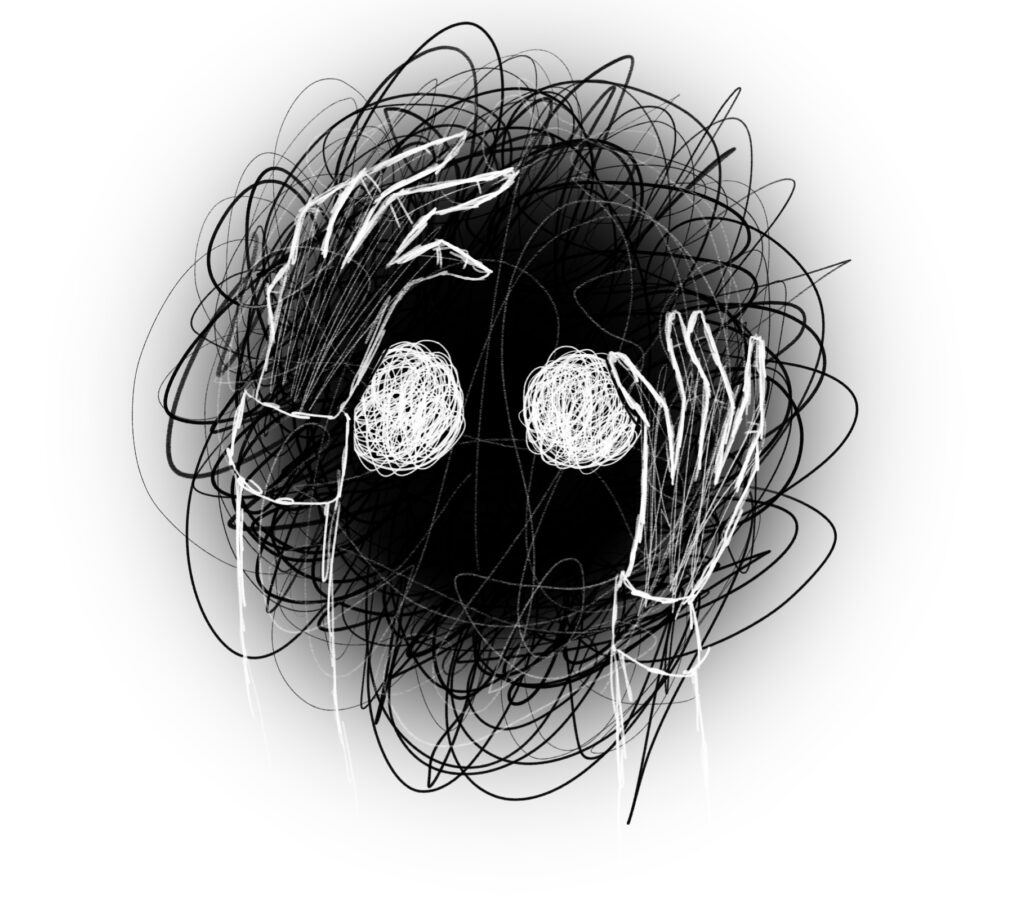
Symptoms can vary and are specific to individual disorders. However, all anxiety disorders have a common feeling of constant worry and fear of occurrences that are not dangerous in reality. There are two kinds of symptoms associated with anxiety: emotional and physical. Emotional symptoms include feeling upset, stressed, and or scared. Physical symptoms include shaking, racing heartbeat, headaches, tiredness, and digestive disorders.
There are many different factors that can lead to a person developing an anxiety disorder, however, the two main factors are genetic and environmental. Environmental factors such as illness, death in the family, abuse, or trauma can cause or trigger an anxiety disorder to develop. Some anxiety disorders are hereditary, thus putting people at a higher risk of developing a mental illness if their family members have suffered from the same one. Although not every person with an anxiety disorder will pass on those genes, it is still possible. Other causes of anxiety consist of stress due to an illness, a traumatic event, lifestyle, drug/alcohol abuse.
In order for someone to be diagnosed with an anxiety disorder, mental and physical evaluations need to be conducted by a doctor of mental health professional. Treatment decisions are based on how significantly the anxiety disorder is affecting a person’s ability to function in their daily life, according to the Mayo Clinic. The two main treatments for anxiety are medication and psychotherapy. Medical treatments are not always necessary to help one cope with anxiety. Simple lifestyle changes such as keeping active, hydrated, getting enough sleep, and staying away from caffeine, alcohol, and cigarettes can also make a difference.
Depression
Depression is a general feeling of unhappiness, but what really is it? According to the World Health Organization, depression is a “persistent sadness and a lack of interest or pleasure in previously rewarding or enjoyable activities.” One in six people will experience depression at some point in their lives, making up 16.6% of the whole world population. Usually, depression appears during the late teens to early 20s, however, it may occur at any point throughout one’s lifetime.
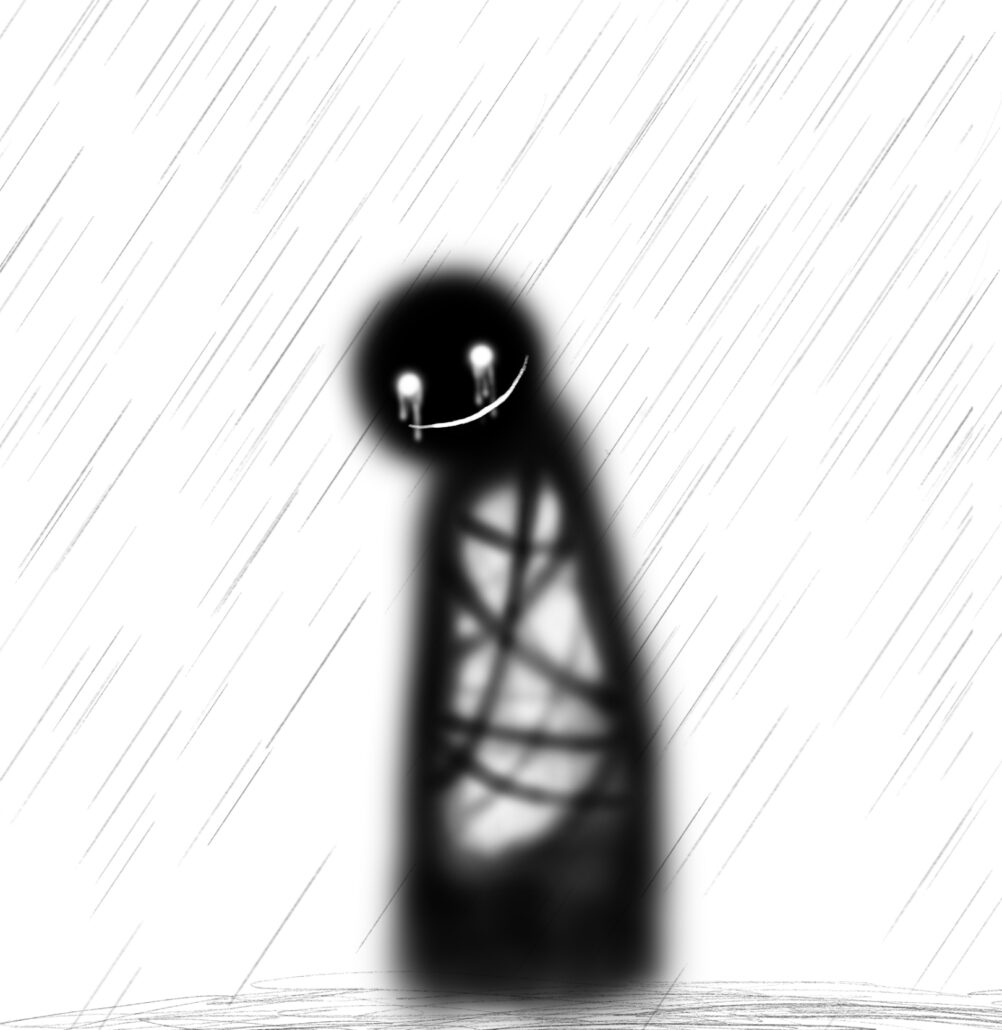
When people are overcome with depression, they tend to face the following symptoms: feelings of worry or guilt, difficulty thinking and concentrating, loss of energy, increased fatigue, changes in appetite, and trouble sleeping. However, it in its essence constant sense of hopelessness a3nd despair. As with anxiety, there are multiple factors that could lead people to experience depression, including biochemistry, genetics, personality, and environmental factors. Symptoms of depression may appear when there is an imbalance of chemicals inside the brain. Depression may also be genetic. A person is at greater risk of experiencing depression if a first-degree relative also has it. People with low-self esteem, anxiety, or pessimistic personalities are more prone to depression than others. Lastly, environmental factors can also play a role. Prolonged treatments of abuse, violence, and neglect can increase feelings of depression.
There are many possible treatments for depression ranging from psychotherapy to medications. Different forms of psychotherapy are cognitive-behavioral therapy (CBT) and interpersonal psychotherapy (IPT). Both have been shown to be effective ways of treating this disorder. Medications, like selective serotonin reuptake inhibitors (SSRIs) and tricyclic antidepressants (TCAs), may also be used to help balance the patient’s brain chemistry. If someone is suffering from depression, it is best for them to reach out and seek professional help. There is no definitive cure, however, lifestyle changes can help with recovery.
Depression and anxiety are common disorders amongst teens, but they’re not easy to deal with. It’s important to remember that you are never alone and to seek help if you need it. If you or someone you know is struggling with a mental illness, please reach out to a trusted adult, parent, or counselor.


