 0
 0
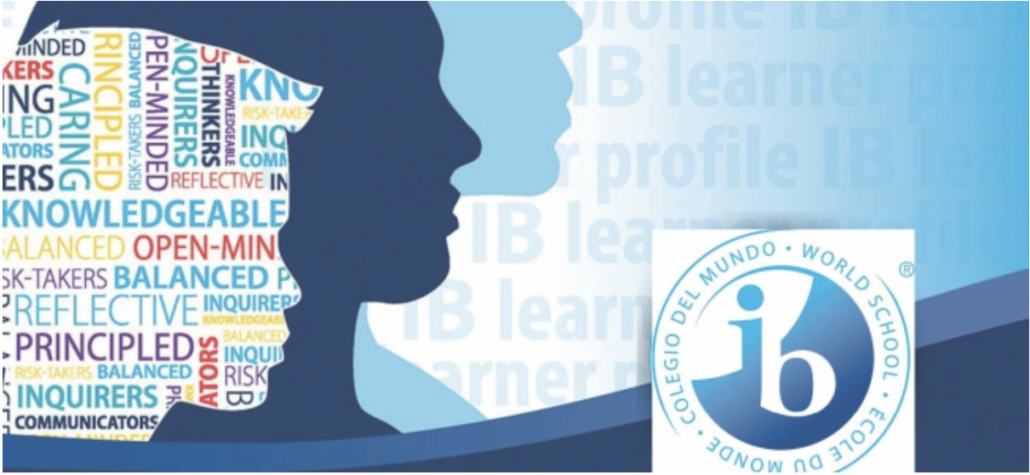
While sitting at your desk finishing the last of your homework for your time-demanding IB class, have you ever wondered why you’re even doing the work? Who designed the course you’re taking, how did it come about? Who developed the curriculum? Why is the IB even a thing? While the IB hasn’t been about for a relatively long time, it certainly has had a fascinating history that might make you think differently about all that time you’re spending doing the work for your IB courses.
The IB (the International Baccalaureate) was developed in a period when most educational programs focused heavily on passive learning; learning that was teacher-centered, involving mainly memorization and repetition. Nowadays, much research has shown the relative ineffectiveness of this type of learning, but in the 1960s (the birth decade of the IB), it was widely accepted. However, a small group of social studies teachers from various international schools belonging to the ISA (International Schools Association) saw how uninspiring and ineffective this type of learning was and decided to do something about it.
In 1962, those very teachers got together for a conference in Geneva, Switzerland, and designed what would later become the IB, a program that encouraged globally-minded and student-centered education, where classrooms would be interactive, and students would “learn to learn” and critically analyze rather than simply memorizing facts. Their vision was realized in 1968 when the IB became officially recognized worldwide, and the program was implemented in 12 schools in 12 different countries for a 6-year pilot program. The program was surprisingly successful, and in 1975, the IB Diploma Programme was officially established.
The years between the 1970s and the 2000s saw incredible growth in the IB program. During this time, schools worldwide adopted the IB curriculum, building a community of almost 160 countries. The Middle Years Programme and the Primary Years Programme were also introduced to help build the values of the IB in younger students, teaching them to think critically and promoting reflection and global cooperation. In 2006, the well-known IB Learner Profiles were set in place, aiming to help students become “internationally-minded” and foster values and global education beyond simply academics.
And in 2022, here you are, taking an IB course, perhaps, or considering your options regarding the Diploma Programme. In an ever-growing international community, in a world where globalization continues to be on the rise, the principles and values of the IB are becoming more and more critical and influential. Therefore, the IB program is being used today in thousands of schools worldwide to promote cooperation and peace between the citizens of the world; think of that next time you’re doing your homework.


