 0
0
 0
0
This past October 31st, some of us celebrated Halloween. Whether you celebrated by dressing up and trick-or-treating or if it was just another Monday, Halloween and other similar holidays worldwide take place during this time of year. Each event is unique yet filled with unmistakable similarities. Here are celebrations around the world comparable to Halloween.
1. El Día de Los Muertos

Celebrated on the 1st and 2nd of November, this 3000-year-old traditional Mexican celebration makes for bright, beautiful, and buoyant festivities. Unlike most days dedicated to the deceased, el Día de Los Muertos is about celebrating the dead instead of mourning, hence the holiday has a more joyful spirit. By setting up an altar (una ofrenda), families welcome the deceased back to the land of the living with their favorite items. Altars are usually filled with food, drinks, objects, and candles. These decorations feature symbols of the four elements, candles for fire, food for earth, drinks for water, and Papel Picado for air. In addition to the intently crafted altar setups, Mexican families clean and decorate the gravestones of their loved ones, and the adornments result in magnificent graveyards gently lit up by hundreds of candles and flooded by bright orange and yellow flowers, known as Cempazuchitl or Aztec marigolds.
2. Fèt Gede

Similar to El Dia de Los Muertos, on the 1st and 2nd of November, Fèt Gede is when Haitians pay yearly respects to their deceased loved ones. Fèt Gede has origins in the Haitian Vodou religion and is very ritualistic. Depending on their religion, each Haitian family celebrates Fèt Gede with slight differences. Christians attend mass while vodouwizan, practicers of Vodou, celebrate more festively by dressing up as spirits known as Gede. Vodouwizans spend this time of year performing sacred dances, drumming, setting up altars, offering food to the gede, and creating ground drawings known as veves. It is believed that “the gede is the reincarnation of a loved one who has come from the afterlife to live in the body of the vodouwizan who called upon them.” Gede celebrations take place in cemeteries wherein vodouwizans perform rituals to honor the deceased.
3. All Saints’ Day
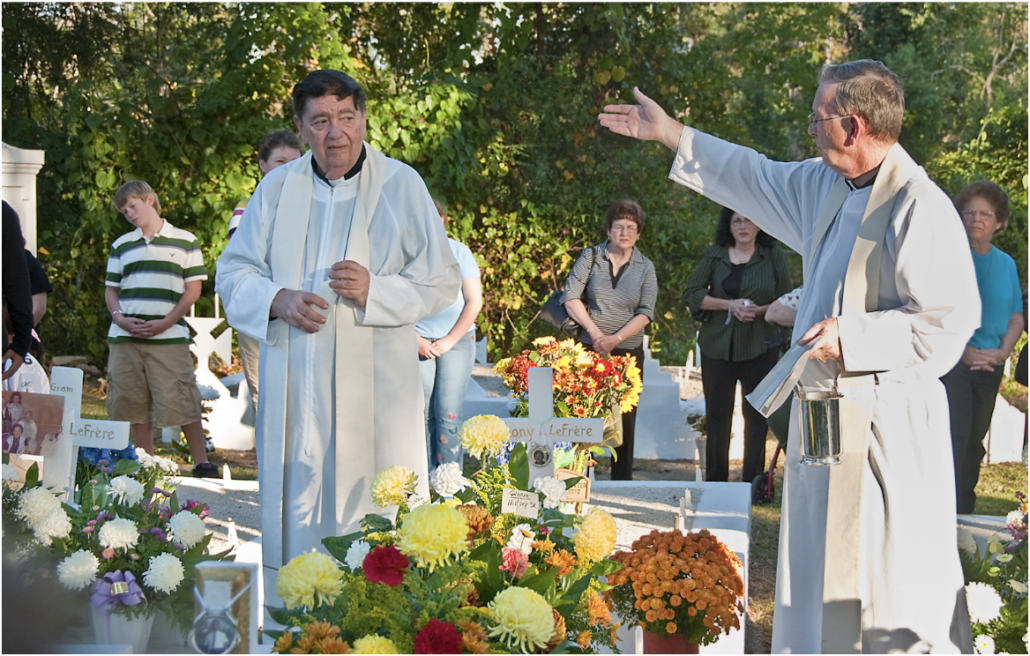
On the 1st of November, this annual Christian holiday, also known as all hallows’ day or feast of all saints, takes place across the world. For numerous Christian churches, such as the Roman Catholic, Protestant, Lutheran, Anglican, and Methodist churches, just to name a few, this holiday is a commemoration of all the saints of the church who have reached heaven. All Saints day was anciently celebrated on May 13th, but in the 8th century, during his reign, Pope Gregory III widened the celebration to be about all saints and changed the date. Observers of this celebration usually attend mass and visit gravesites to leave flowers on the tombstones of their loved ones.
4. Samhain

Originating from an ancient Celtic pagan tradition, Samhain is observed from sundown on October 31st through November 1st annually. It is celebrated in the modern Celtic nations of northwestern Europe, including but not limited to Ireland, Scotland, the Isle of Man, and Wales. Samhain marked the Celtic new year, the end of the harvest season and summer. It was believed that the veil between the living & the dead was the thinnest at this time, allowing spirits to visit the living. Today, Samhain is observed through rituals such as setting up an altar, lighting a bonfire, feasting, carving pumpkins, and leaving token bits from the harvest to spirits outside their homes or trick-or-treating. Prior to the spread of Christianity, the celts were pagan, but 1200 years ago, the festival of Samhain was appropriated by the early catholic church, spreading and evolving to become Halloween in other places.
5. Pitru Paksha
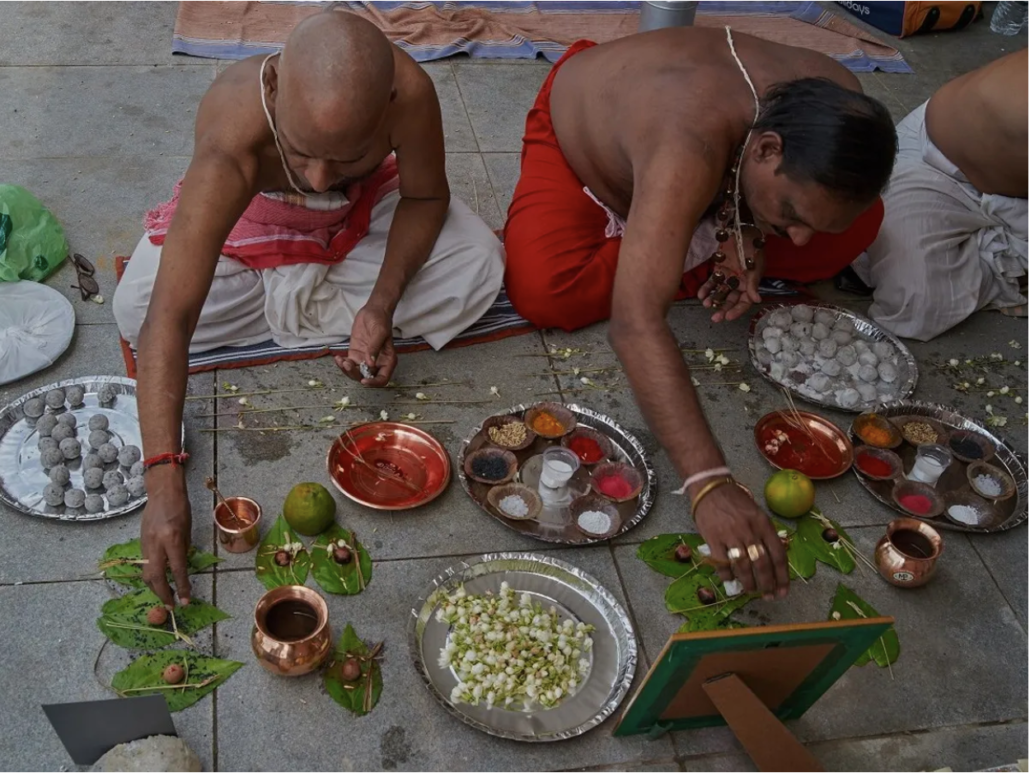
On the Hindu calendar, from September 29th until October 14th, falls the 16-lunar day period of Pitru Paksha. Observed across India, it is viewed as a mourning period to pay respect and grant peace to their ancestors. Numerous rituals and a death rite, known as Shraddha, are performed during the ceremony, while food offerings are made to the ancestors. The 16-day period whereby Pitru Paksha takes place is considered an ominous time and unfavorable to start a new venture. Offering food, prayers, and extending charity to the needy while performing rituals and prayers in remembrance of their ancestors is how observers of Pitru Paksha celebrate. It is believed that when offerings are made to the deceased during Pitru Paksha, they will be able to acquire peace and reach their divine destination in the afterlife.
Celebrating and honoring the dead, these five distinct celebrations are among the many others across the world with recurring similarities to the generally recognized; Halloween. Most cultures have unique, fascinating customs and conventions to celebrate and honor their deceased. Do you know or observe any celebrations comparable to Halloween?


