 4
4
 0
0
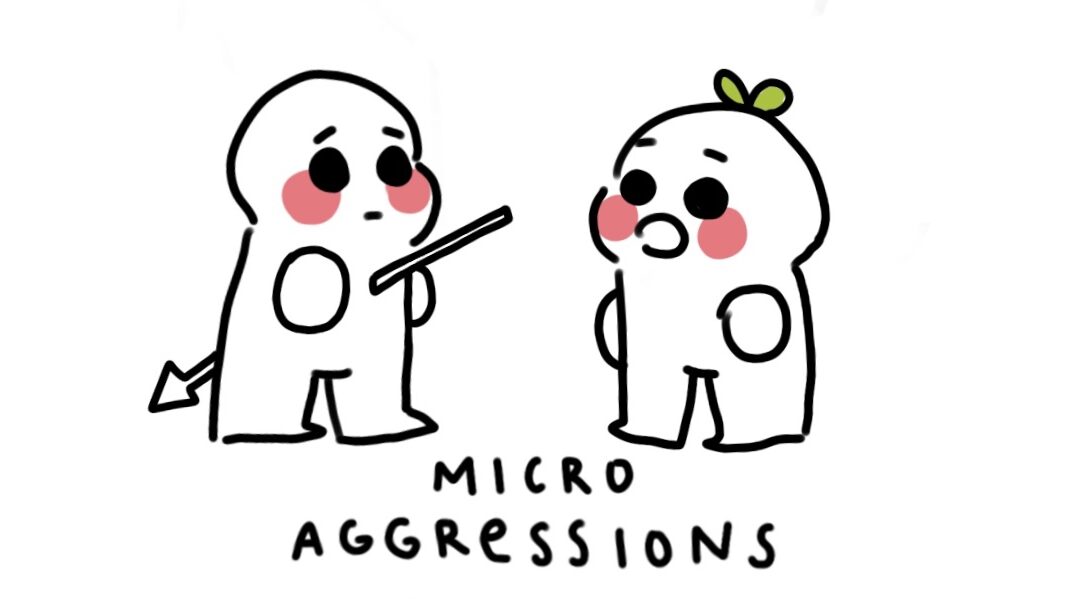
The Oxford English dictionary definition of the term ‘microaggression’ is as follows:
‘[A] statement, action, or incident regarded as an instance of indirect, subtle, or unintentional discrimination against members of a marginalized group such as a racial or ethnic minority’.
Sounds familiar? Likely. As more and more institutions, companies, and schools around the world are attempting to open themselves up to conversations around race, privilege and equity, microaggression has been but one term thrown around by “diversity professionals” and laypeople alike. On the surface, “no microaggressing” seems as acceptable a rule as “no bullying” or “no littering”. Of course we don’t tolerate microaggressions–what kind of people would that make us?
However, do we really take them seriously?
Like the name suggests, microaggressions are characterized by their subtle and indirect nature. And from personal experience, this trait is precisely why they’re so damaging to the individuals and communities who are subject to them everyday.
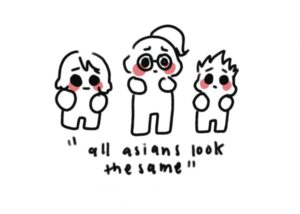
I’ve been told that all Asian languages “look the same”. I’ve been mistaken for classmates whose only similarities with me are my race. I’ve seen misogynistic and/or racialized images in class resources and lesson guides. Every time, each interaction passed by so suddenly, or dropped in a conversation so matter-of-factly, that all I could do was blink and ask myself what just happened. And I know I’m not the only one who has experienced such interactions; from passing remarks on somebody’s culture (“their food is really weird”) to implicit stereotypes posed as compliments (“your hair is so exotic/different”), the reality of many marginalized communities is to come across these gray-area remarks every day.

One common line of defense in relation to microaggressions is that people are being “too sensitive”, “unable to take a joke”, or understand that the perpetrator’s actions weren’t intended to be offensive. However, this lack of bad intent is actually a key characteristic of microaggressions. Psychology professor Kevin Nadal discerned the main difference between microaggressions and overt discrimination as the fact that “people who commit microaggressions might not even be aware of them”. In other words, not only are microaggressions hard to discern, but they are also harder to address to the perpetrator because they likely do not realize that this behavior reflects their biases.

Microaggressions, regardless of intention or subtlety, should be taken for what they are at face value–a reflection of the implicit discrimination and bias we perpetrate or hold against marginalized individuals and communities. No, it is not “being oversensitive”, nor is it about people being unable to “take a joke”. It’s about the way we measure people up to our underlying biases, and the way it hurts the same people in ways deeper than we can fathom.
Please, take microaggressions seriously. ▪︎


