 2
 0
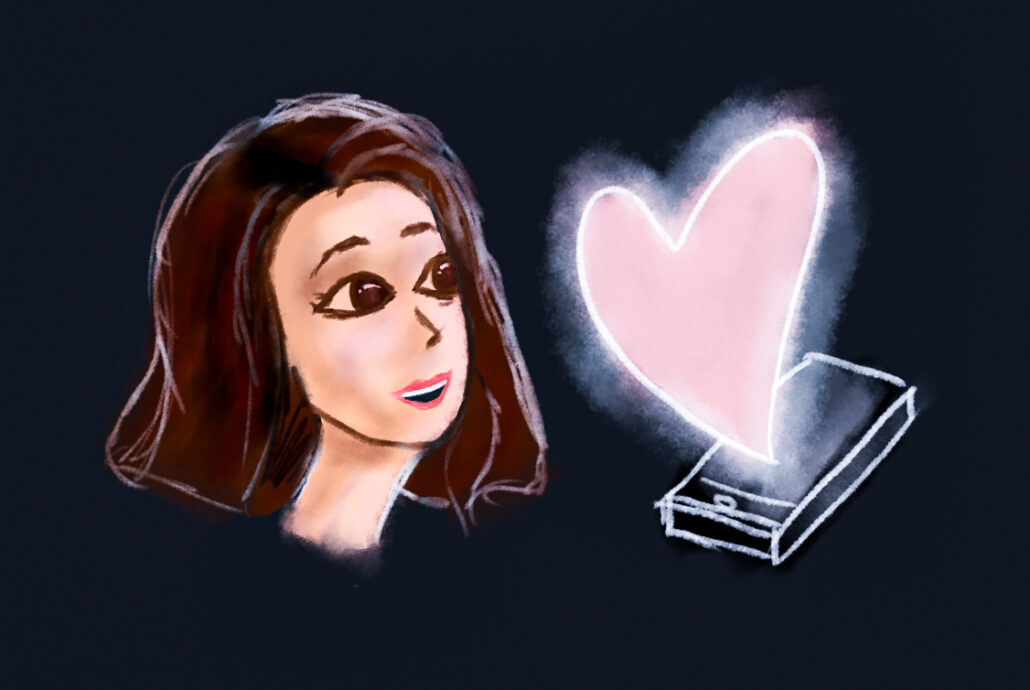
“We all like to be liked,” but the real question is in what way, through a meaningful conversation and laughs or through a numbered heart next to a photo? In the past decade, social media has become a significant part of people’s lives, with 72% of American teens spending an average of 53 minutes on Instagram per day. What is driving people to spend so much of their time on Instagram? The answer; the need for “likes”, which for some has become an addiction.
We’ve all incessantly checked the amount of likes we’ve received on an Instagram post or who and how many people have viewed our story, but why? Subconsciously or not, everyone is seeking validation and social media platforms, such as Instagram, serve as a means for this. On Instagram, likes, comments and followers are seen as “currency”, the more you have, the more you’re seen to be worth online, and the more likeability and popularity you hold.
Social media can be addictive, and not just because of the number of likes we receive or see on a post. As humans, we crave acceptance, validation, and even popularity. By using Instagram, we get caught in a cycle of posting and checking the likes, eager to see the reaction of the post and the rush of notifications on our home screen. With every like we receive, a small amount of dopamine is released into our brains and we feel that affirmation, similar to an addictive drug. We seem to keep coming back to accept “virtual love” again and again, no matter the cost.
The Reward Learning Concept
Researchers have found that the constant need for validation and positive feedback in social media parallels the Skinner box experiment. In 1948, B. F. Skinner began a study into operant conditioning which theorizes that behavior followed by a reward is usually repeated. In this case, Skinner rewarded a rat with food each time it pressed a lever in his Skinner box. Similarly, Instagram users are rewarded with likes when they post, enticing them to repeat this process.
This obsession with getting likes is a situation that the head of Instagram and former employee of Facebook, Adam Mosseri, is working on as he aims to make Instagram a “safe” and “special place”. Mosseri and his team have been testing different ideas, with one being Project Daisy, enabling users to see the quantity of likes they receive on a post, but not their followers. The hope was to “depressurize the app” and allow “followers to focus on what you share, not how many likes your posts get.” As of now, the app includes a setting allowing a user to control whether or not their followers can view the amount of likes on a post and who liked it.
The social pressure to have and maintain a good profile may not only be external, but internal.
This is why the liking system does not necessarily work. To begin, hiding the amount of likes on a post is an option and in most cases does not happen. However, still seeing who commented and liked on one owns post instead of another, may create thoughts that lead to self-doubt, bringing about thoughts such as why didn’t they like my post? Did I not look pretty enough? Should I delete it?.
In order to improve or increase their likeability online, users convey a certain image that they believe will receive the best results. Instagram photos are known to be reserved for the Holy Grail of moments: when your hair is in place, you’re wearing your new favorite outfit, and when you look essentially perfect. We strive to appear flawless online and go to great lengths to do so, such as by saving a meal until after it’s photographed or making special “picture perfect” trips. Knowing the good and the bad of our lives, we compare ourselves to someone specifically
displaying a specific image online, which can be very toxic. These personas may or may not even be true, and even if they are, they certainly do not represent someones whole story because at the end of the day, everyone has their own issues and struggles.
We all want to be accepted, validated, and needed in life. Usually, we gain this through interactions with our families and friends. But nowadays, people have become obsessed with posting just the right photos all in order to get liked. For some, an artificial value is placed on the quantity of likes but then again, how real are those photos? They don’t tell the whole story, but instead a slice of life that may or may not be real.


