 3
3
 0
0
Trigger warning: This article discusses eating disorders and dieting.
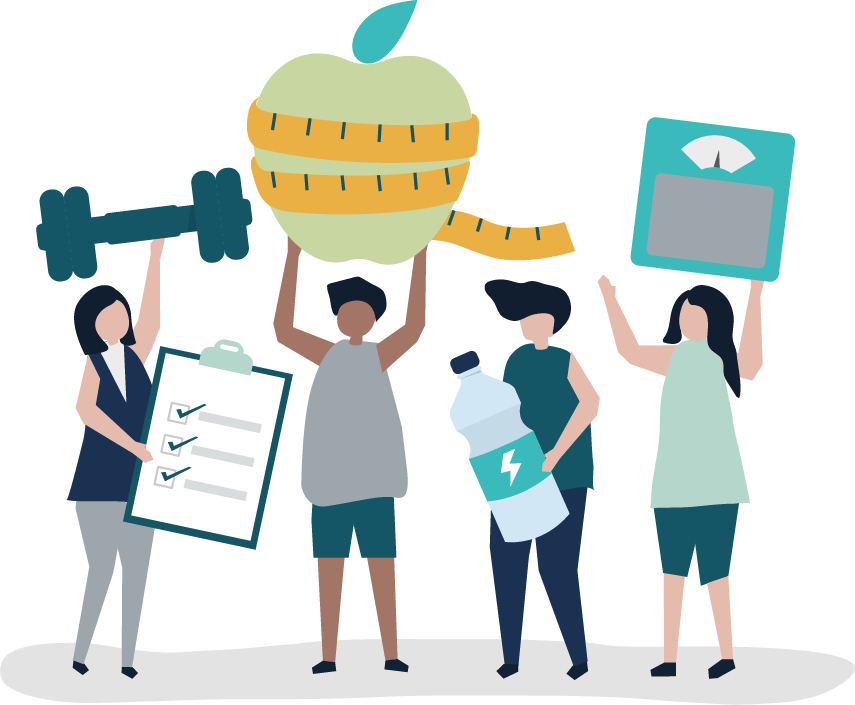
For generations, the overarching pressures of the diet culture have consciously or subconsciously dominated our lives, from the minute we wake up to the minute we fall asleep. We have been led to believe that there is a “right” way to eat in order to achieve that perfect lifestyle, perfect body, and perfect relationship with food, but the truth is, there is no right way, and there doesn’t have to be.
So what is diet culture and where does it come from?
As described by Christy Harrison, a certified nutritionist, and intuitive eating counselor, diet culture is a set of beliefs that places weight and body image at the pinnacle of success, ahead of wellbeing and health. It is often associated with body size and body type to health, and people use it as a tool to determine whether they are deemed healthy in the eyes of society. It forces people to desire the “perfect body type” at all costs, often leading to excessive dieting, lowered self-esteem, distorted body image, and eating disorders.
Diet culture is present all around us, research shows that about 50% of teenage girls of which 33% were at a healthy weight, and 25% of teenage boys have attempted to diet in order to change their body type (NCBI). Diet culture includes things like; counting calories, comparing people’s bodies to others, finding justifications for eating, and even publicly discussing diets and weight goals.
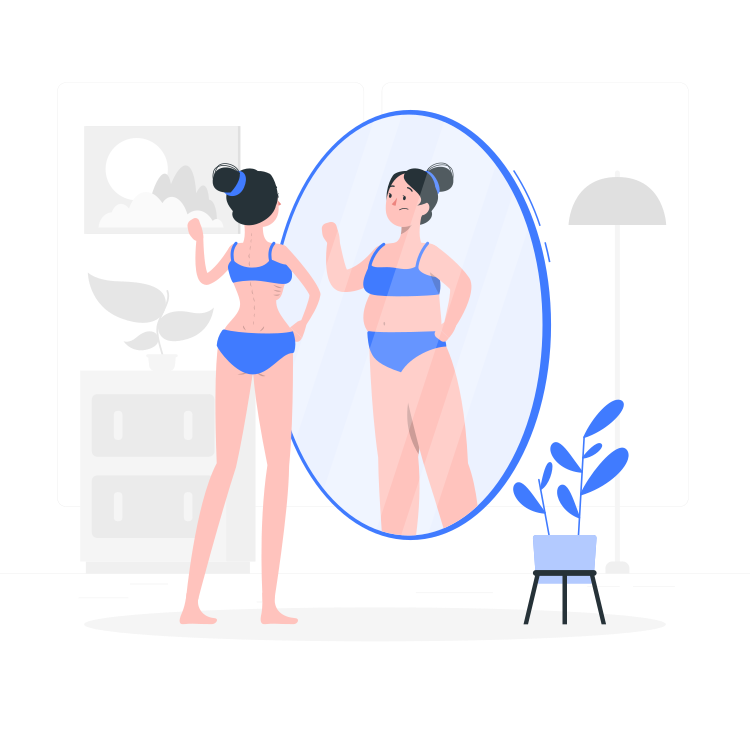
Now, where does all this stem from? Well, it’s the portrayal of thinness as the ideal. It’s how certain body types are praised by the media, while others are criticized. In a study conducted by King University, it was found that 50% of women and 37% of men compare their bodies unfavorably to images they see on social media (cite). Low self-esteem, particularly in relation to body image, is one of the main causes, if not the main cause of dieting because it is a way to achieve the ideal body type that is praised by the media.
Why is diet culture so dangerous?
- It threatens your physical health: Biologically and genetically, we all have different body types and body weight ranges that our bodies will aim to maintain, this means that we are not all meant to have the same body type. What this means is that some people are working themselves to a body they physically cannot achieve, often leading to malnourishment, over-exercising, and mental challenges, all actions that will negatively affect your physical and mental health (HuffPost).
- It promotes body discrimination: When we all begin to work towards one “ideal” body type, we are minimizing and shaming all other body types. Discrimination based on bodies exists in the workplace, at schools, and even at amusement parks. A study conducted by Yale University with 2,300 Americans revealed that amongst respondents who were severely obese, 40% reported that they had faced weight discrimination. By embracing one body type as the ideal body type, this notion of body discrimination will become even more prevalent in society.
- It could spiral into eating disorders: although the diet culture is not the singular cause of eating disorders, it is definitely at the root of them. The dieting culture normalizes disordered eating by cutting out certain food groups, restricting yourself, and only eating at certain times. Disordered eating behaviors put you at the greatest risk of developing an eating disorder, one of the most popular mental illnesses. The National Association of Anorexia Nervosa and Associated Disorders reported that eating disorders affect 9% of the population worldwide and also highlighted that they are the 2nd deadliest mental illness (ANAD).
How to resist and overcome the diet culture:
Resisting a culture that is constantly looming over us is very difficult, especially with the added pressure of body image and self-esteem, but it’s not impossible. Here are a couple of tips and suggestions so you don’t fall into diet culture.
- Know your body and its needs: It’s important to know your body, not just for the sake of resisting diet culture. Our bodies are all different, so there isn’t one correct way to eat. There are so many factors that contribute to what we need nutritionally, from our muscle mass to our height. It’s important to know how these factors impact what we eat and what our body needs us to eat.
- Connect with your body in a thoughtful way: Your body should always be treated with care, exercising shouldn’t be seen as a punishment for eating, but should instead be a way to take care of your body. Do things that make you feel more connected to your body, this will also boost your self-esteem and make you appreciate yourself more.
- Remind yourself that food is not a reward: There is a reason why food is a basic human necessity, we all deserve it. Whether you just ran a marathon, or you sat on the couch all day watching your favorite TV show, we are all deserving of food. Don’t punish yourself by restricting your eating, don’t reward good behavior with food, you deserve to eat, and you need to eat.
- Accept your body as it is: There is no perfect body type, we are all built differently in order to support our body and its needs. Don’t try to achieve something you are not meant to be, accept your body and embrace its beauty.
It’s easier said than done, but by knowing your self-worth, knowing your body, and understanding the importance of food in your life, you are less likely to follow the diet culture which has harmed so many people. It is a culture that society needs to move away from, in order to protect our youth and society as a whole.
If you are struggling with eating, weight, body image, eating disorders, or anything mentioned above, here are a few helpful links that may be able to help you.
- Eating Disorder Hope: A South-African Organization helping people with eating disorders, and raising awareness about them.
- American Psychiatric Association: get help with anything from dieting to eating disorders.
- National Health Service: how to approach a diet properly and correctly in order to stay safe and healthy.
Here to help: addressing body image, self-esteem, and mental health.


