 1
1
 0
0
The History and Future of South Africa’s Economic Inequality
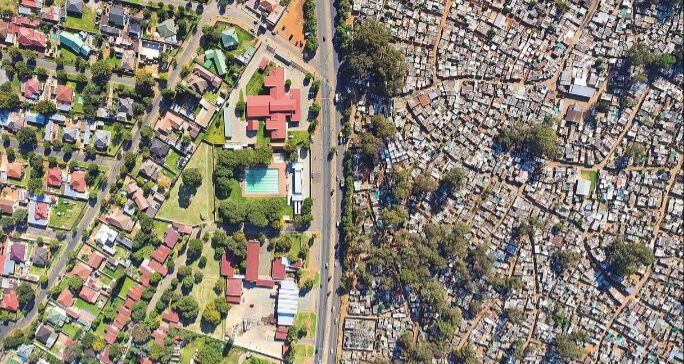
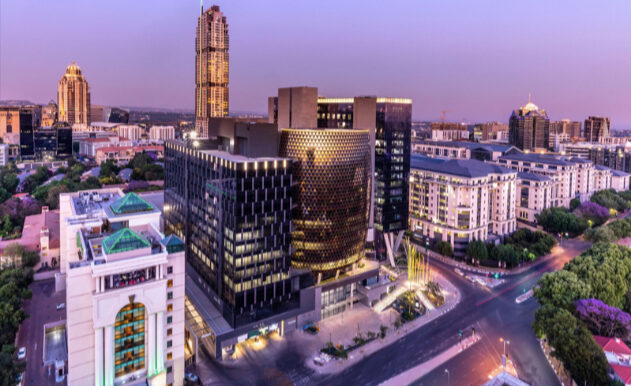
Sandton, sometimes referred to as “Africa’s richest square mile,” is a major financial area in which you can find international corporations and business hubs. Naturally, this makes Sandton an affluent and well-developed area. If you’ve ever been in the Sandton CBD (central business district), it’s not uncommon to see luxury cars and well-established malls. However, less than 5 kilometers away from Sandton, lies Alexandra, a township infamous for its underdeveloped infrastructure and poverty.
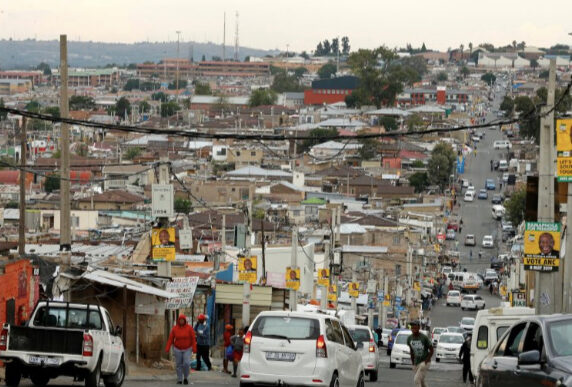
South Africa is the most unequal country on the planet. When using the gini coefficient, which measures the distribution of income among the population -an index of 0 indicates that a country is very equal, where everyone is equally wealthy while an index of 100 indicates severe inequality, where one person holds all the income and wealth. South Africa’s gini index is at 63. This inequality can be seen throughout the country, with rich suburbs that offer a high quality of life (like Sandton) right next to townships which lack basic necessities such as clean water and electricity. Even though many of these communities are situated close by, they have little to no contact with each other.
There are many reasons, both historical and contemporary, why the nation has been failing to reduce inequality. One being the Apartheid system where most opportunities were given to the white minority. Black and coloured people were forced out of the major economic hubs and relocated to townships. This led people to unemployment and having less access to quality education and necessities. However, even after apartheid, inequality in South Africa has remain unchanged. Government inefficiency and consistently high unemployment rates have made it difficult for the nation to tackle inequality.
During apartheid, non-white people were denied economic opportunities and this still has passed down through generations meaning many black South Africans are still struggling with unemployment and low wages, even though everyone is, by law, “equal”. The current government of South Africa has failed to create more jobs and is notoriously corrupt with poor and partial policies. The pandemic has increased the unemployment rate which is now the highest in the world (34.4%).
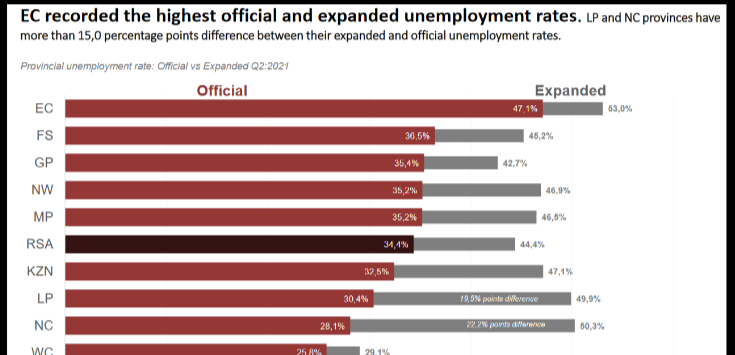
Persistent economic inequality and unemployment have led to many problems including a very high crime rate and brain drain; where skilled workers leave a country for higher pay/better opportunities.
In order to reduce inequality, drastic measures must be taken and they must be taken before it’s too late. One of the best approaches to solving inequality is investing in education, especially for the poor so they can get the opportunity to work and earn more. Another method is to impose higher taxes for the rich, especially when they are wealthy through inheritance. The government should also implement new policies that focus on the poor and helping them get jobs.


