0
0
 0
0
Humanity has evolved drastically ever since the first homo sapiens came to be. Humans have been thought to originate from eastern and central Africa, but have migrated to virtually every part of the planet. As we have spread out to different environments and climates, we have adapted our way of living. Looking back at ancient civilizations helps us understand how humans have evolved and grown to be distinct from one another
The Indus Valley Civilization
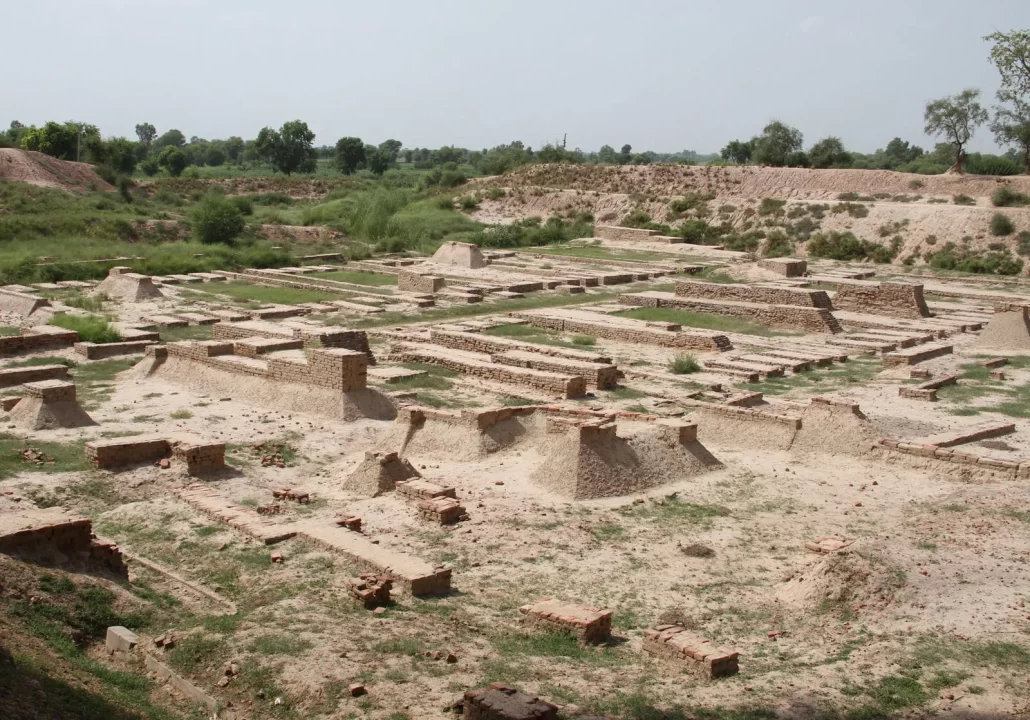
The Indus valley was one of the oldest civilizations in the world. Archaeologists state that the civilization came into being around 2500 to 1700 B.C. Harappa and Mohenjo-daro are two of the most well known settlements in the civilization. The Indus valley spanned at around 1,500 km and is thought to have had a population of around 5 million. Archaeologists have discovered many primitive inventions that prove to be useful today such as standardized weights and the production of components with bronze, copper and tin. The Indus valley was also known for its intricate city planning and efficient draining systems. Unfortunately, to this day, the Indus script cannot be decrypted by experts and therefore not much is known about their literature and governance. So far, no one knows exactly how the Indus valley fell and archaeologists still continue to learn more about this civilization.
The Sumerian Civilization
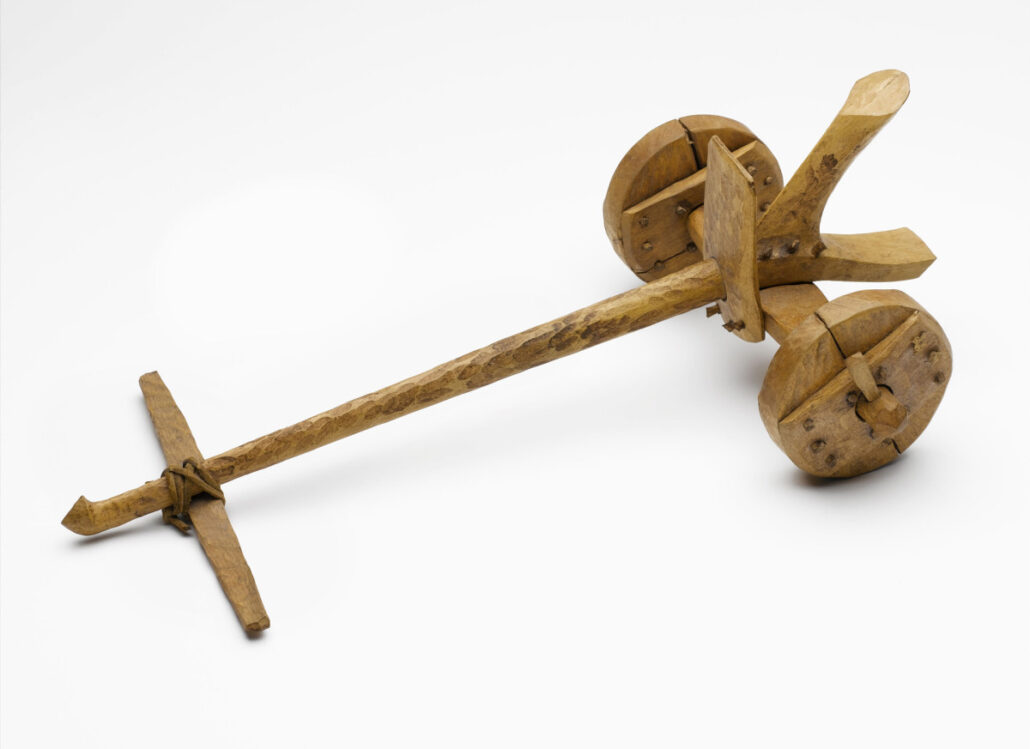
Perhaps one of the most important civilizations, the Sumerian civilization is considered to be the first human civilization to have ever existed, with experts estimating the first humans settling there from around 4000 BC. It was located in the Mesopotamian region, which was famous for its fertile land (appropriately named the fertile crescent). This region helped establish the idea of semi-permanent to permanent settlements, where people would stay in one area for most of their lives, whereas before humans were believed to migrate from place to place. This was possible in Mesopotamia since there was fertile land and many resources that could be used year round, regardless of the season. Before, humans had to move around after consuming resources from one place to another since farming wasn’t developed yet. Some of Sumerian inventions include mass production of bricks, the plow and the chariot; all which have contributed to important aspects of our daily lives today.
Ancient Egypt
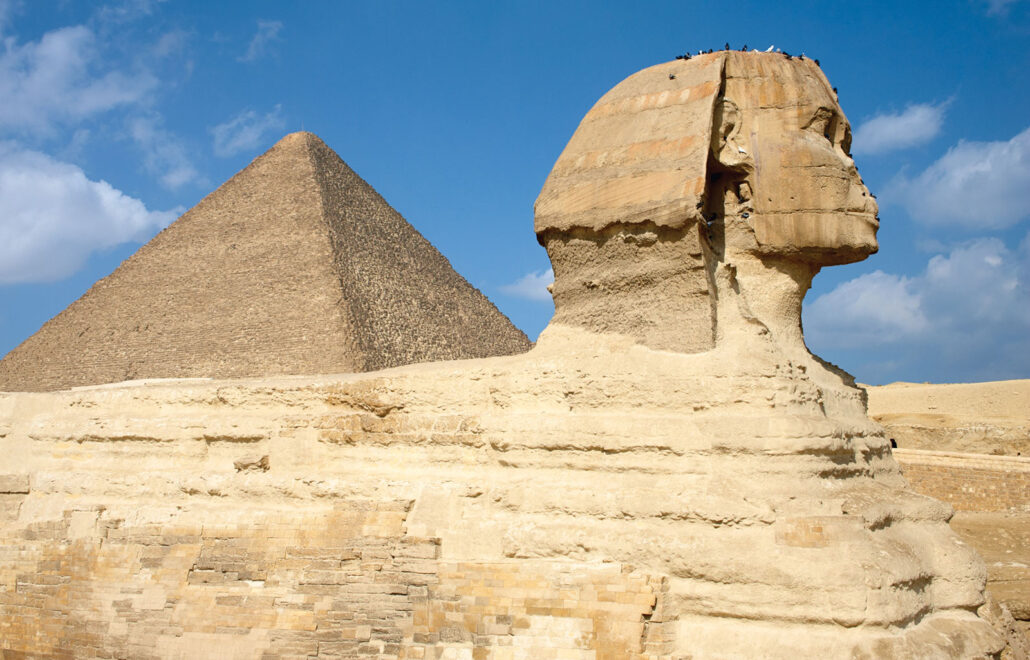
Ancient Egypt is one of the best known civilizations to ever exist, with Egyptian art and architecture being known worldwide. The ancient Egyptians were considered to contribute to all aspects of life, including art, infrastructure and inventions. Many everyday items that we use today were created or discovered in ancient Egypt. Papyrus being one of the most popular inventions by the ancient Egyptians,they created what essentially was paper with Papyrus and also introduced more advanced methods of farming like improved irrigation. Archaeologists have also found proof of dentistry and medicine being practiced.
Tang Dynasty
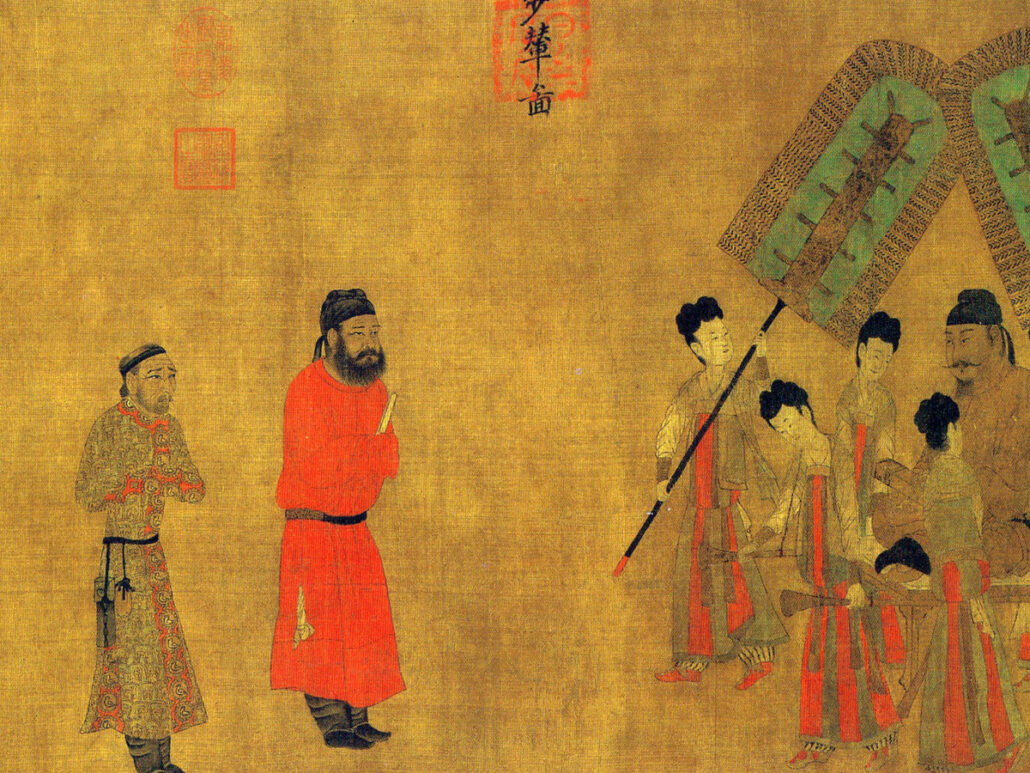
The Tang Dynasty (618-709 AD) was considered to be the golden age of China, especially when it was in regard to the arts, introducing new music both from in China and outside china to different forms of arts and sculpture. The Tang dynasty was well known for poetry and literature, where over 48,000 poems are still preserved to this day. Li Bai was considered to be one of the most famous poets of that time. While the dynasty’s main influence was in the arts, it had also contributed to the inventions of woodblock printing, gunpowder and gas stoves.