1
1
 1
1
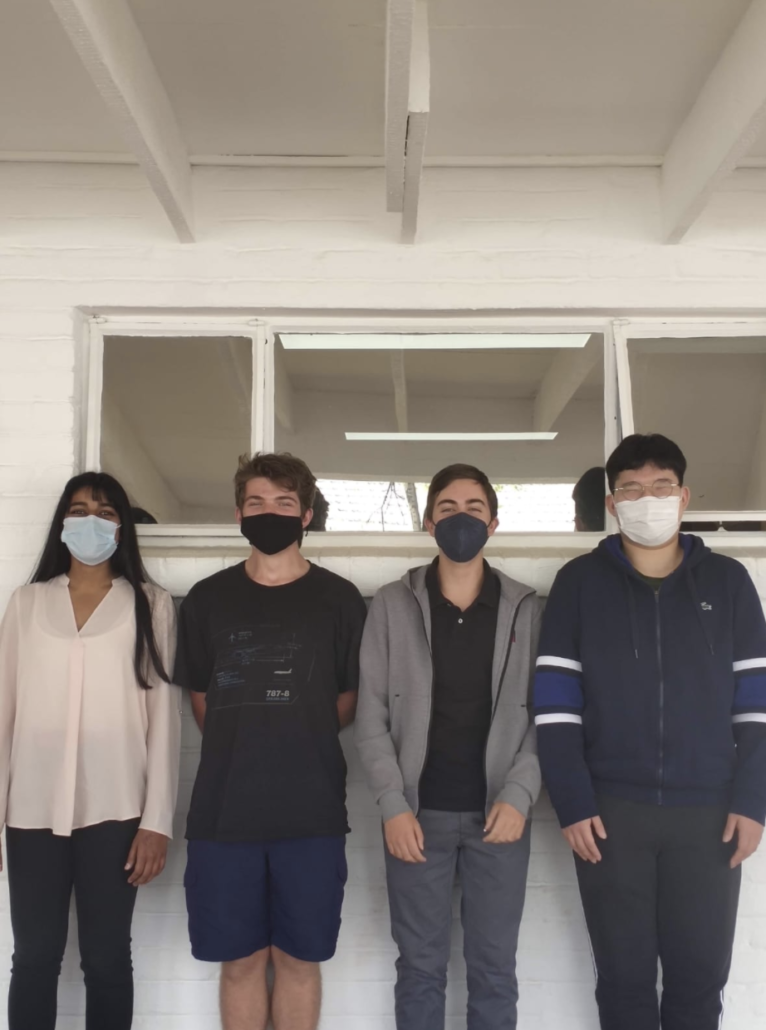
Students Aksharaa Gupta, Henry Bradley Sloat Rothschild, Junhyeok Yang, Manuel Maria Miranda de Andrade Veiga, and Xuanxuan Wu united together with their shared interest in physics and decided to collaborate on their CAS project. They decided to take on a design challenge and looked to the website HeroX for ideas. HeroX is a crowdsourcing site where individuals and companies can propose “challenges” that are in need of innovative solutions. These challenges are organised into fields, with the category “environmental technology” catching the eyes of our AISJ team.
The challenge that they chose was proposed by Habitat for Humanity, and involved them investigating how to recycle leftover materials from construction demolition, with a prize of $6,000 US dollars (R85,400). Habitat for Humanity is a non-governmental, non-profit orginisation based in The United States with the goal of building, repairing, and renovating homes in order to “build hope” and improve communities. Habitat for Humanity, often shortened to “Habitat”, proposed this challenge due to the risks to human health and wellbeing that waste buildup presents in communities and the environment. In recent years, the impacts of pollution and waste on health have come to the forefront. As a result, the need for more efficient and streamlined recycling management has increased.
Our AISJ team quickly got to work researching any pre-existing ideas in regard to recycling different scrap materials, as well as finding out the resources developing countries have and working within those boundaries. After gathering information, the team decided to split the workload between the members and completed a final document.
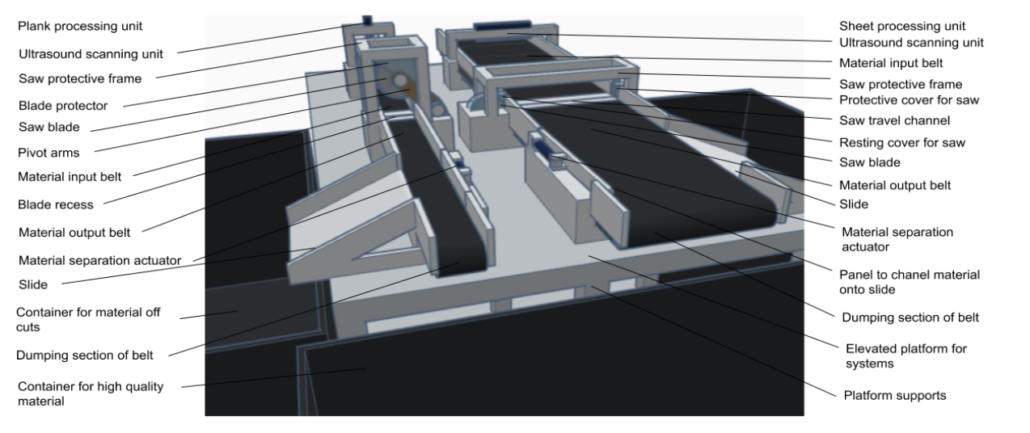
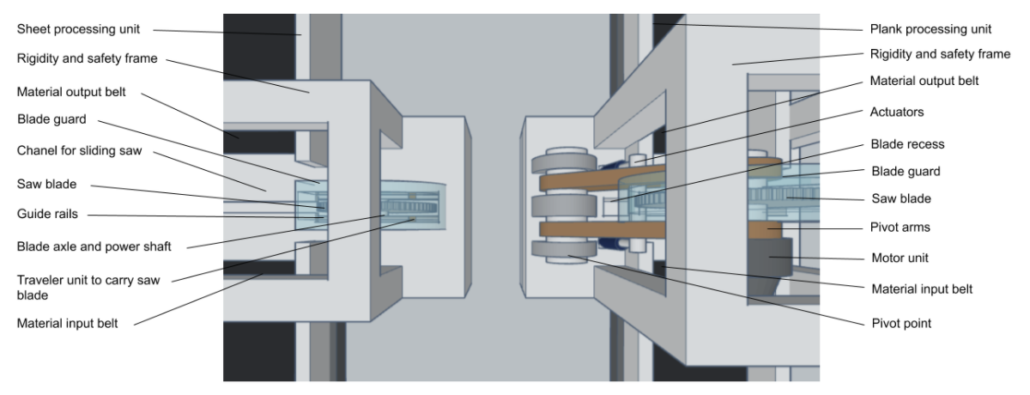
In the end, they had designed a system utilising both new and existing ideas that included modules situated in a series, with each module performing a specific task and segregating the materials for recycling. Henry Rothschild and Aksharra Gupta, two of the members, helped create the diagrams seen at the bottom of this article.
In addition, the document sent in included examples of possible applications for the recycled materials. This gave Habitat for Humanity not only the plans for the factory to recycle construction and demolition materials, but also possible employment opportunities of the leftover segregated materials.
The project was submitted on January 25, 2021, just four months after they had started the challenge in October 2020.
Last March, our local young engineers received an email congratulating them on qualifying for the next level of evaluation. And in August of this year they were told that they had won the challenge and received the cash prize of $6,000 (R85,400)! As this is a CAS project, the team will be unable to keep the winnings and instead will be donating the totality of their prize. If you have any recommendations or ideas for who to donate to, please email agupta@aisj-jhb.com.