 2
 0
What is “fast fashion”?
You have most likely heard the term “fast fashion” thrown around at one time or another, but what does it actually mean? Fueled by a consumerist society, fast fashion is focused on rapidly producing high volumes of cheap clothing, enabling brands to replicate trends as they appear. Cheap prices and the regular release of new styles encourage consumers to view clothing as disposable. Moreover, the low-quality garments make repairs uneconomical because new garments are so cheap.
But do fast fashion’s cheap prices reflect its true cost?
Social costs
Fast fashion brands prioritise rapid production and low prices at the expense of working conditions and fair wages. For example, Fashion Nova factories in the US were reported repeatedly for minimum wage violations, unsafe working conditions and exploiting undocumented immigrants.
Similarly, in 2020, a Boohoo clothing factory in Leicester was found to have maintained full production at the expense of social distancing, despite a surge in Covid-19 cases in the area. Furthermore, workers were earning less than half the UK minimum wage of £8.72 an hour..
Environmental costs
The fashion industry is responsible for 2 to 8 percent of the world’s carbon emissions, mainly due to high shipping emissions and a reliance on coal. Additionally, the industry fuels the demand for fracked fibers derived from fossil fuels, like polyester. Cotton, an alternative to polyester, also has a significant impact as it requires large amounts of water and pesticides to grow.
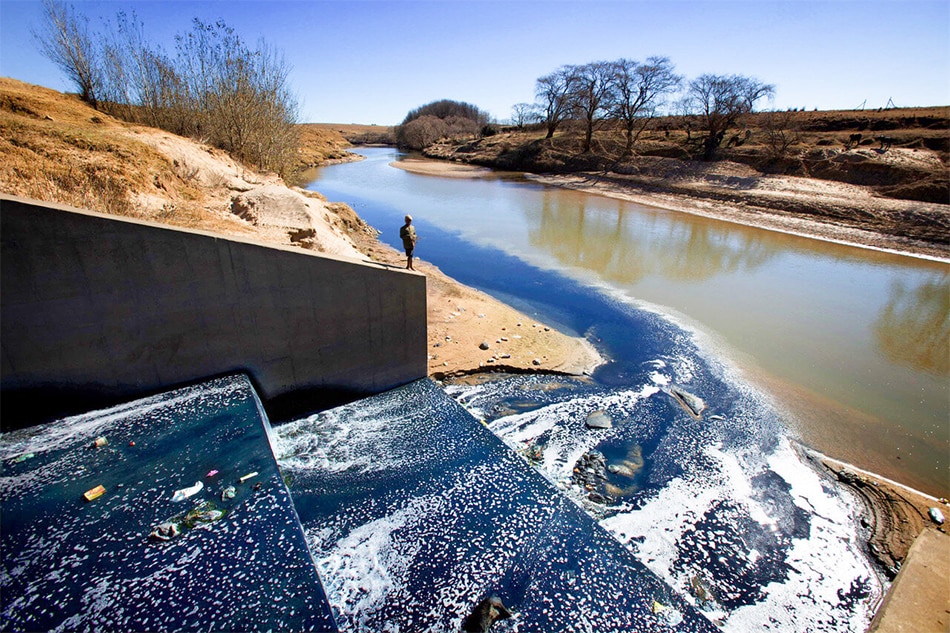
Furthermore, toxic dyes used during production and micro-fibres from low-quality fabrics contribute to 20 percent of global wastewater. For example, in Lesotho, a river was visibly polluted with blue dye from denim jeans. In Tanzania, the Msimbazi river in Dar es Salaam, used by the local community for washing and irrigation, was found to be as alkaline as bleach.
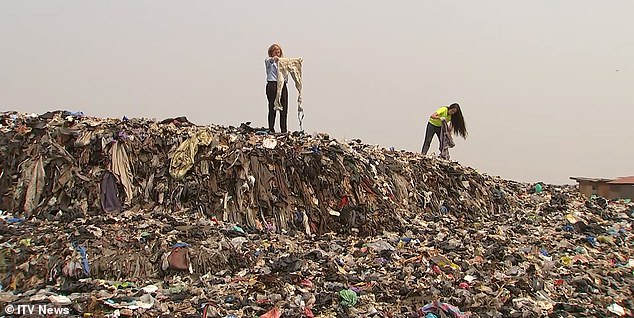
Even after clothes are manufactured, they continue to impact the environment. According to the Ellen MacArthur foundation, out of all garments produced annually, 73 percent end up in landfills or incinerated, leaving the harmful toxins that they contain, such as benzothiazole, to seep into water supplies or be released into the air.
Does Fast Fashion Have Any Positives?
Up until the mid-20th century, the fashion industry was mainly targeted at high society. Nowadays, however, the massive volume of clothes sold at cheap prices makes fashion accessible to the masses. Furthermore, the textile industry could offer employment and growth opportunities in developing nations. These potential benefits, however, are negated by inadequate working conditions and pollution mismanagement.
Fast Fashion Alternatives
Although typically more expensive, the main alternative to fast fashion is sustainably sourced clothing brands. Slow fashion is characterised by mindful manufacturing, fair labor rights, natural materials, and lasting garments. Globally, there are many responsible brands to choose from, such as Sotela and People Tree, and even some specific to South Africa, such as Sitting Pretty, which is based in Cape Town.
Another alternative, thrifting, which involves buying gently used garments at discounted prices, presents a more affordable option; a great way to extend the life-cycles of garments, thrifting also avoids the higher prices sometimes characteristic of sustainable clothing. However, if you have the budget, slow fashion better addresses the root problem of fast fashion: lack of sustainability. Thrifting can be done easily in South Africa via Instagram. Accounts like @out_ofthecloset_thrift and @shopnicolascloset are great places to start. Another option for thrifting available in South Africa is the The Vintage Square Thrift Fair, which are monthly thrift fairs in Pretoria.
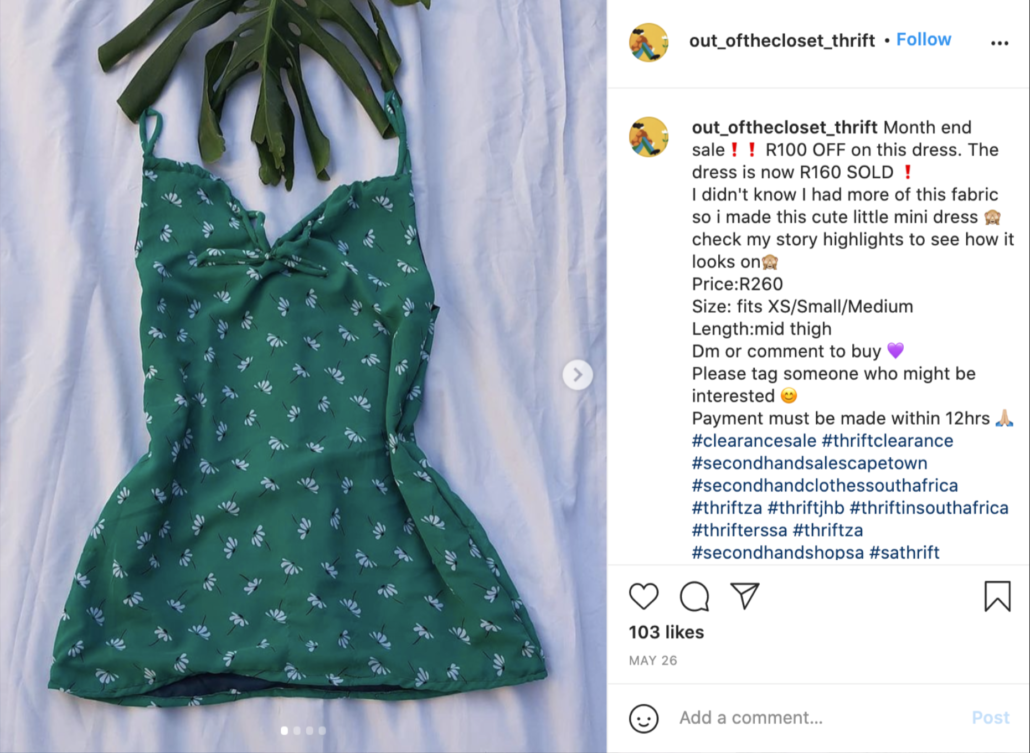
An example of a thrift product sold on Instagram | Instagram account @out_ofthecloset_thrift 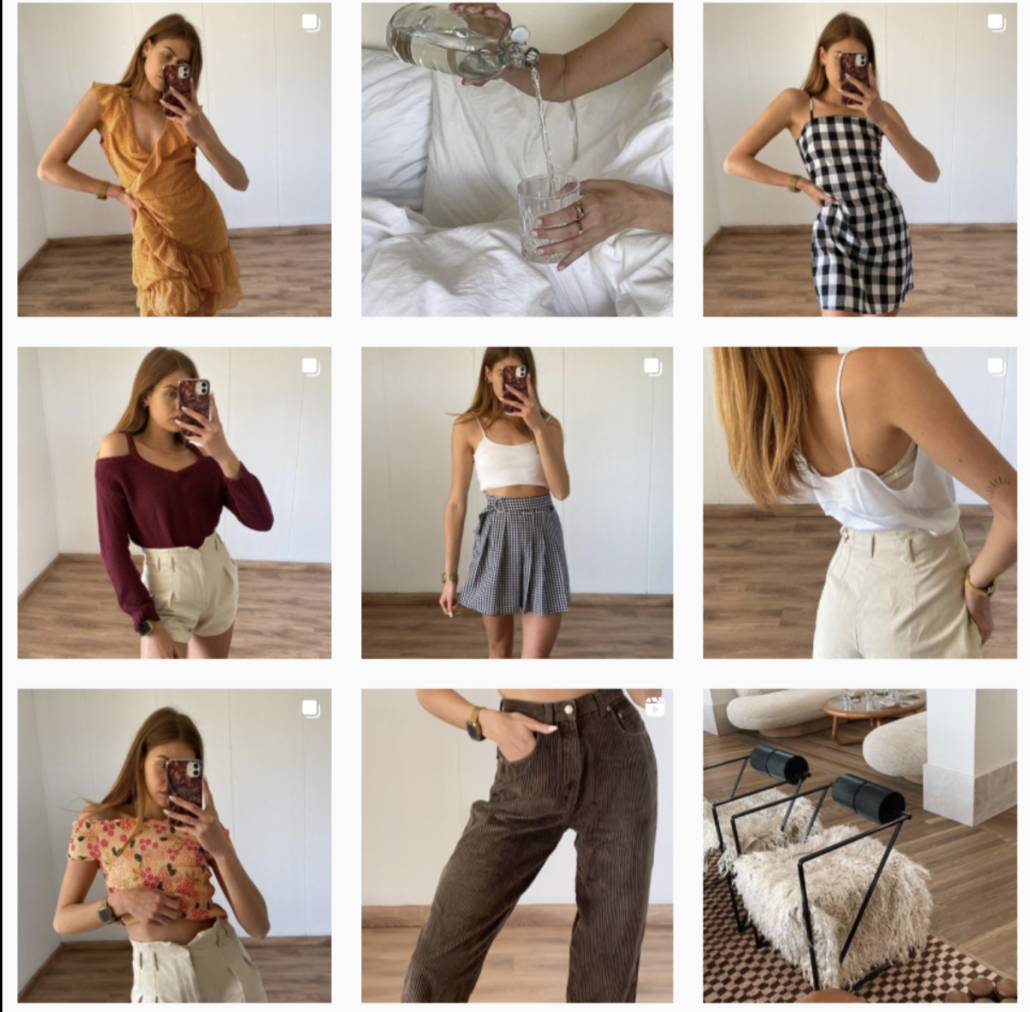
Example of thrift Instagram account based in Gauteng | Instagram account @shopnicolascloset
And lastly, easily done at home and with friends, is a clothing swap. The idea is to swap clothes with friends so that you can wear new looks at no extra cost, to your wallet or the environment.
Interested? Read more
- Redesigning the future of fashion with the Ellen MacArthur Foundation
- “Consumption: How we buy, exploit and reuse” with the NY Times
- The Fossil-Free Fashion Scoreboard: how eco-friendly are popular brands
- An overview of the climate impacts of fast fashion with Fashion Stand
- Popular online thrift stores


